A VPC provides a private, logically isolated network environment for your cloud resources. Instead of putting every server into the same network, you can use a VPC to organize servers into private networks, divide the network into subnets, and control




European Failover Postmortem: When DNS, Health Checks, and Replicas Disagree
SurferCloud is excited to announce the official launch of UHost Elastic Cloud Servers in Karachi, Pakistan, further strengthening our global cloud infrastructure footprint and providing businesses, developers, startups, and enterprises with reliable cloud computing resources closer to one of South
Whether you're a developer, entrepreneur, marketer, or business owner, understanding AI Agents is becoming an essential skill. In this guide, you'll learn what AI Agents are, why they're transforming industries, and how to deploy your own AI Agent using cloud
SurferCloud Cloud Platform Overview: AI, Cloud Computing, Storage, Networking & Enterprise Solutions
Explore SurferCloud’s complete cloud platform including AI model services, GPU computing, cloud servers, storage, security, networking, databases, Kubernetes, and CDN solutions for global businesses.
Choosing a cloud provider in 2026 usually means picking between two extremes: the big hyperscalers — powerful but complex and expensive — or bargain-bin VPS hosts that fall over the moment your project gets serious. SurferCloud (surfercloud.com) positions itself squarely
To help enterprises simplify global customer communication, SurferCloud has partnered with uSpeedo, a comprehensive communication platform that enables businesses to reach users worldwide through Email, SMS, WhatsApp Business, and Programmable Voice.
A Singapore API entry point can be a practical option for payment callback workloads serving Southeast Asia, but it should not be selected based only on average QPS, CPU utilization, or bandwidth usage.
Explore SurferCloud Cloud Database services, including MySQL, MongoDB, PostgreSQL, SQL Server, and Redis. Build scalable, secure, and high-performance applications with fully managed database solutions.
RDP Clipboard Delay Checklist for E-Commerce Windows VPS
3-Day & 7-Day Trial at $1.9
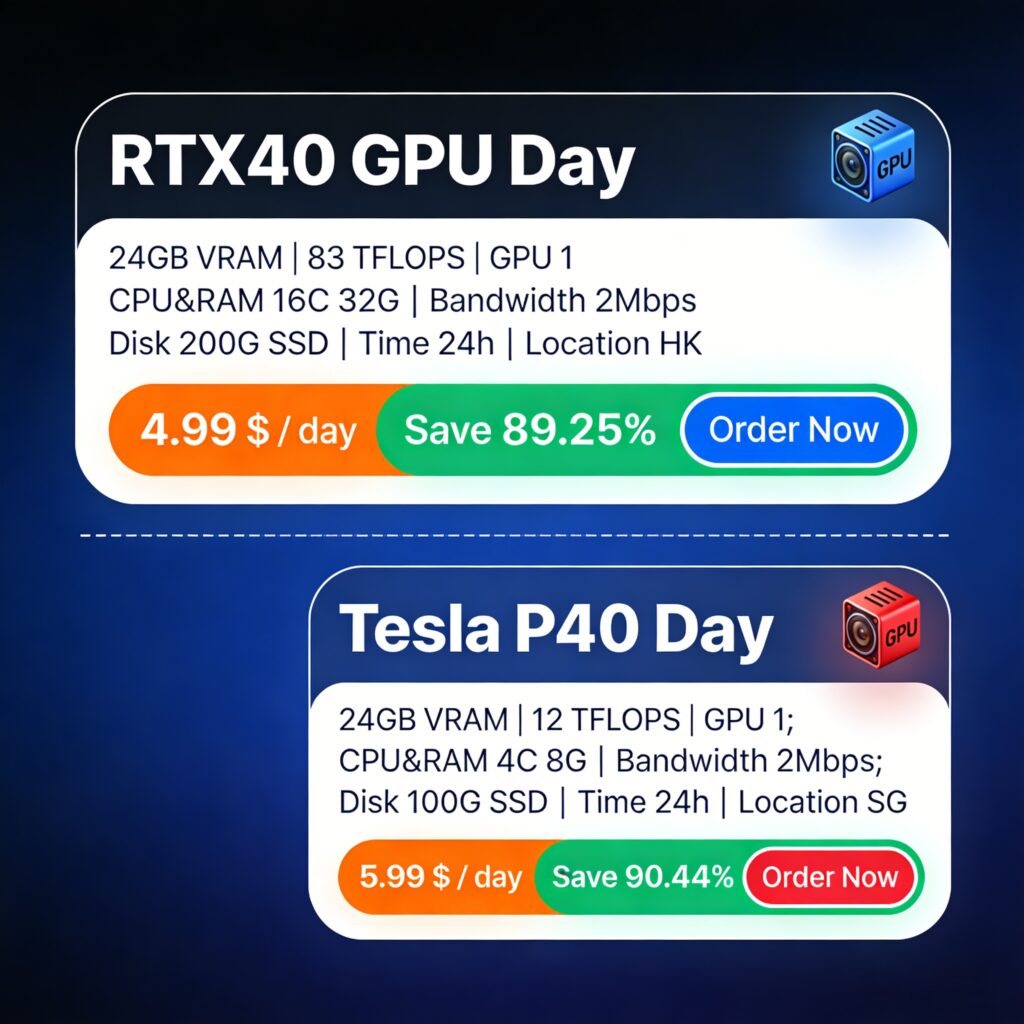
GPU Special Offers
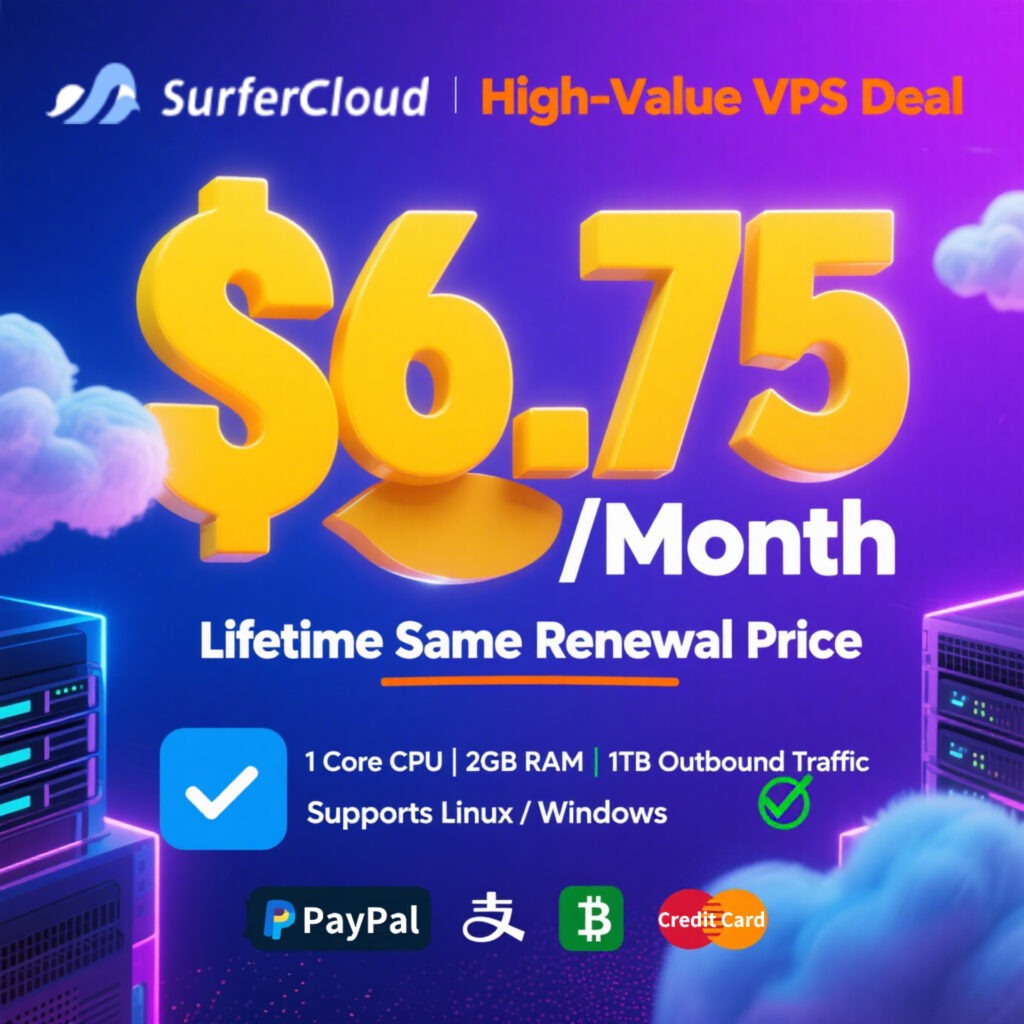
Light Server promotion:
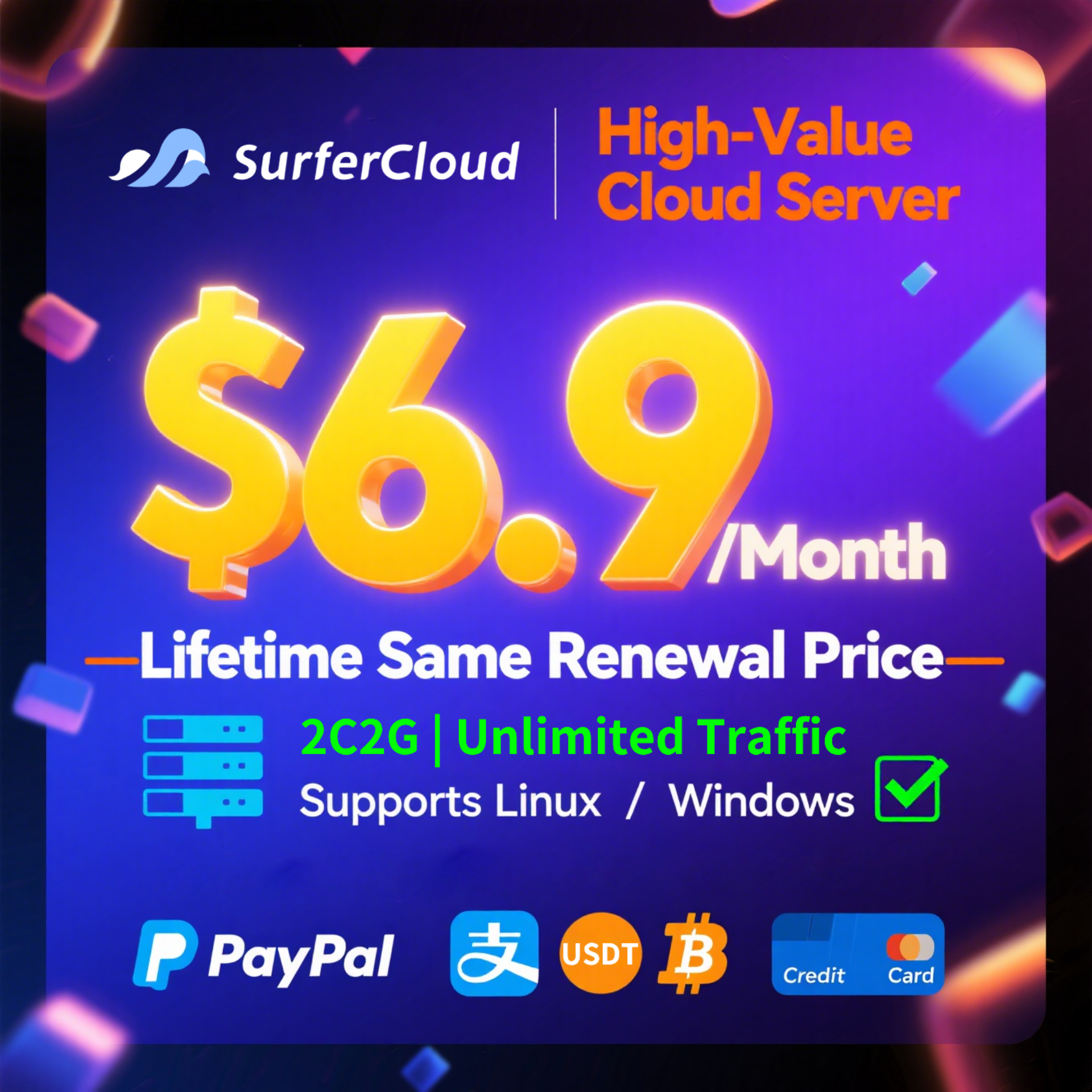
Cloud Server promotion:
Affordable CDN
2025 Special Offers