When developing modern web applications, the choice of a framework can make or break your project. Among the many frameworks available, Django and Laravel are two of the most prominent options, both offering robust tools and capabilities to streamline development.




When building and maintaining a website, selecting the right web server is a critical decision. Nginx and Apache are two of the most popular web server technologies today. Each server has its unique strengths and weaknesses in terms of performance,
In today's data-driven world, unstructured data has become a critical asset for businesses. Unlike structured data, unstructured data cannot be organized into traditional rows and columns, making it more challenging to store, process, and analyze.
When setting up a Virtual Private Network (VPN), the protocol you choose plays a crucial role in determining the security, speed, and usability of your connection. Two of the most widely used VPN protocols are OpenVPN and L2TP/IPSec. Each offers
When choosing a Linux desktop environment (DE), the decision often comes down to three popular options: GNOME, XFCE, and KDE. Each offers a unique user experience, level of customization, and system resource consumption. Whether you’re a beginner, a developer, or
If you're looking for high-performance, flexible VPS hosting with global coverage, SurferCloud is a great option to consider. Compared to VPSServer, SurferCloud offers more advantages and unique features, especially for cross-border e-commerce, game developers, and businesses that require fast, stable
When it comes to choosing a VPN solution, two of the most widely discussed options are WireGuard and OpenVPN. Both provide secure encrypted connections over the internet, but they differ significantly in performance, ease of use, and security. In this
When it comes to hosting a Palworld server, choosing between a Linux or Windows server can be a crucial decision. Both operating systems offer different advantages depending on your server needs, technical expertise, and performance preferences. In this guide, we
When it comes to web browsers, two of the most popular choices are Google Chrome and Mozilla Firefox. Both browsers offer a range of features designed to improve your browsing experience, but they have distinct differences that may make one
In the world of virtualization, two powerful tools frequently come up for comparison: QEMU and KVM. Both are essential components for creating virtual environments on Linux systems, but they serve distinct roles in the virtualization process. In this article, we'll
3-Day & 7-Day Trial at $1.9

GPU Special Offers
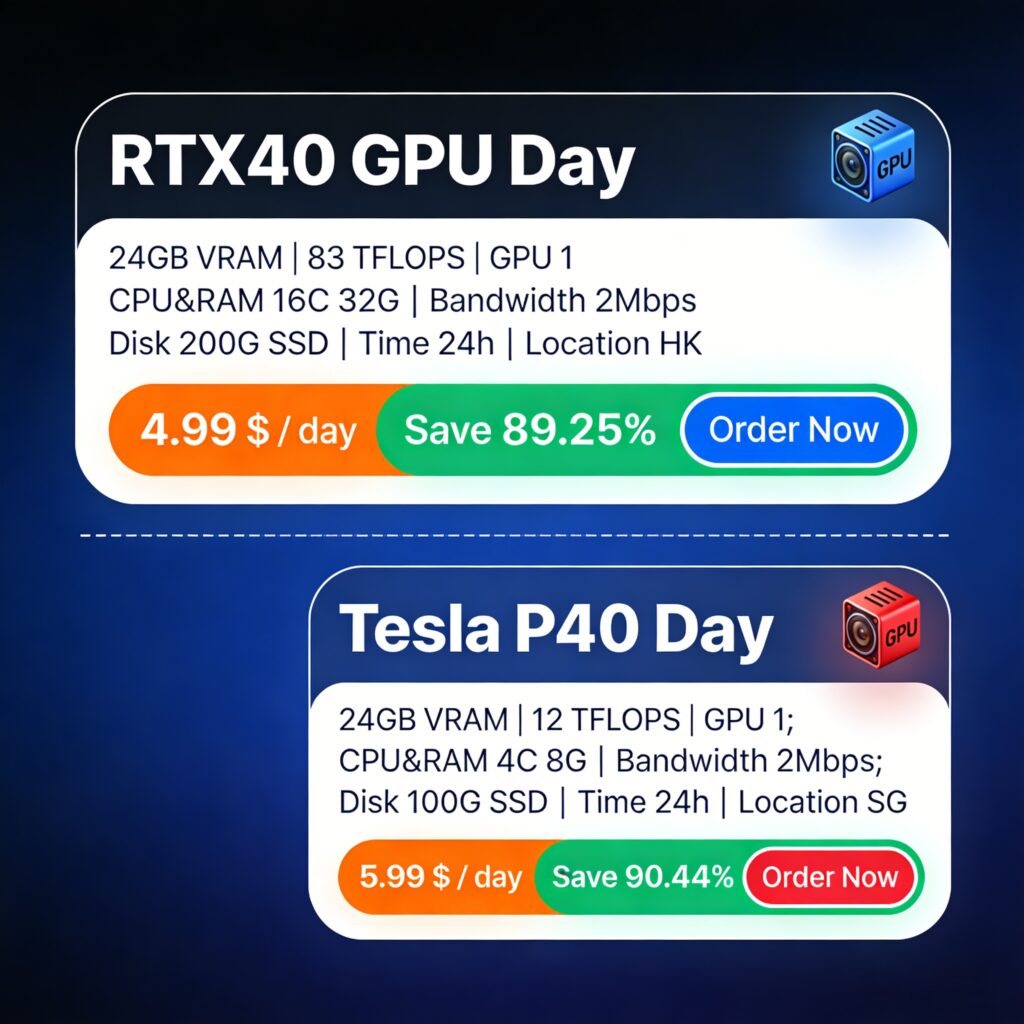
Light Server promotion:

Cloud Server promotion:

Affordable CDN

2025 Special Offers