How to Choose the Right Storage VPS Provider
As online businesses and digital projects continue to g...








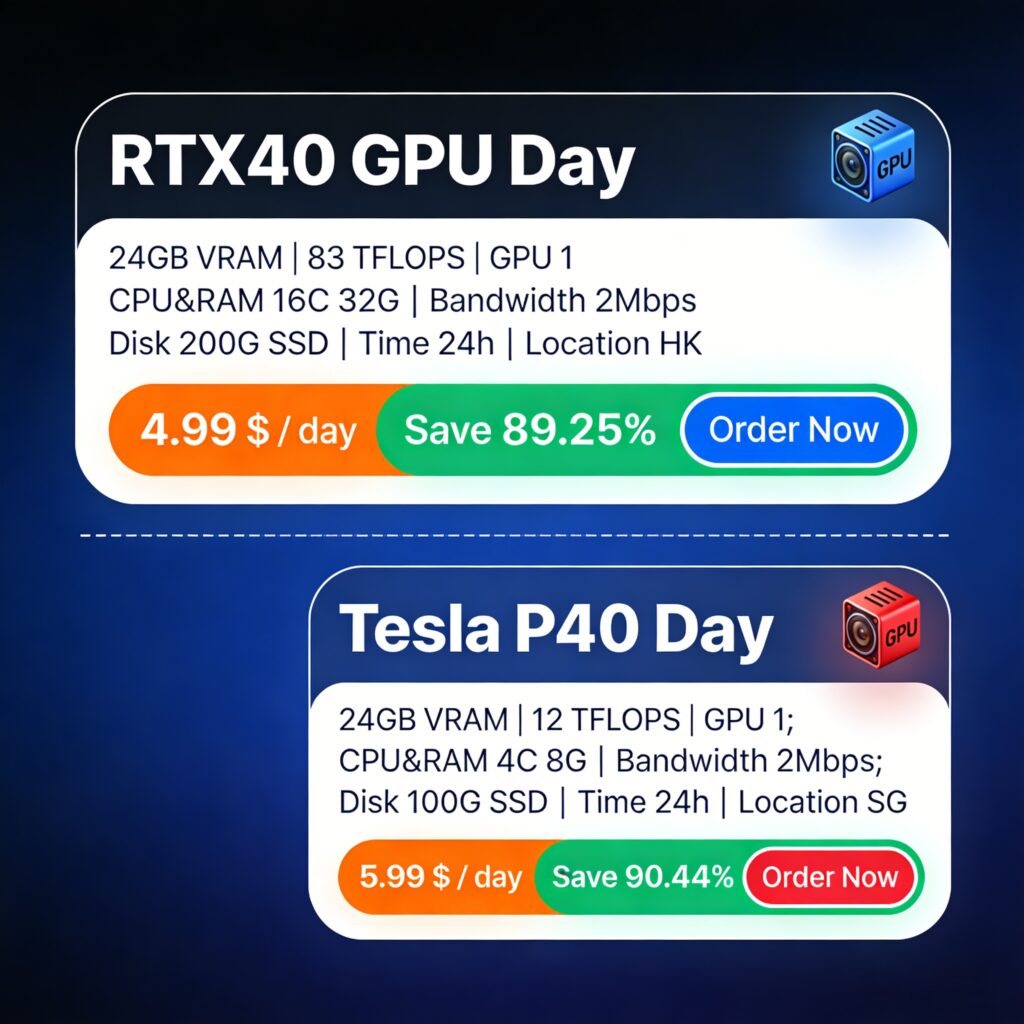
2025 has become the year of an AI-cloud infrastructure explosion. Major cloud providers are pouring massive investments into GPU-optimized data centers, aiming to support large-scale model training, inference, and AI service hosting. As demand surges, GPU-cloud services are becoming fashionable, and many developers now view “GPU cloud” as the default when building new applications.
Yet, amidst this GPU-cloud hype, a critical truth remains often overlooked: not every application needs heavy GPU power. For many web apps, SaaS platforms, small businesses, content sites, lightweight automation, or legacy software, a full-blown GPU-cloud deployment is unnecessary — and can be wasteful, expensive, and over-engineered.
This article argues that in 2025’s AI-cloud boom, traditional VPS and non-GPU cloud servers remain highly relevant — often the smarter choice. For many users, a flexible, affordable, easy-to-manage server is more valuable than GPU horsepower.
According to recent reports, global demand for data-center GPUs has surged sharply. High-end GPU server shipments are forecast to grow by ~55% in 2025 and continue into 2026.
Cloud providers and “neocloud” vendors are rushing to deploy GPU-as-a-Service offerings, trying to meet AI-training and inference demand that outpaces supply.
As of late 2025, flagship GPU cloud services report capacity shortages — one major GPU vendor even declared “cloud GPUs are sold out.” This scarcity is pushing prices higher, adding waitlists, and creating uncertain provisioning timelines for smaller customers or new projects.
GPU-optimized data centers require massive investments: specialized hardware, enhanced cooling, energy/density considerations, and heavy maintenance.
Moreover, as AI infrastructure scales up, total “capex” (capital expenditure) for major cloud providers is ballooning; many are committing hundreds of billions over the next few years to stay competitive.
This wave of investment doesn’t always translate to accessible, affordable hosting for everyone — especially small teams, indie developers, or businesses with modest compute needs.
Most websites, blogs, SaaS admin panels, e-commerce stores, content management systems, small community sites, backend APIs — they don’t benefit from GPU acceleration. Their main workloads are database queries, HTTP request handling, caching, business logic — all CPU / RAM / storage-heavy, not GPU-heavy.
For these, paying premium GPU-cloud rates means paying for hardware that remains idle — wasted cost and complexity.
Shared-state applications, databases, static content hosting, or small-to-medium traffic workloads often value consistent performance, predictable pricing, and ease of management over burst compute power.
GPU clouds tend to have variable pricing, resource contention, possible quotas or interruptions; for many users, a stable VPS or cloud server is simply more pragmatic.
GPU-cloud may require complex setup — container orchestration, GPU drivers, specialized frameworks (Torch, CUDA, etc.). For many teams, this overhead isn’t worth it.
In contrast, VPS/cloud servers (Linux or Windows) support the vast majority of traditional tech stacks out-of-the-box: LAMP/LEMP, Node.js, Java, .NET, databases, background jobs, web servers, CMSs, etc.
With VPS or standard cloud server, you can select an appropriate configuration — modest CPU, enough RAM, SSD storage, set bandwidth — without paying for idle GPU. For many typical workloads, this achieves far more cost-effectiveness than GPU clouds.
This flexibility helps especially small businesses, startups, side-projects, or indie developers with limited budgets.
VPS hosting tends to have fixed monthly cost, stable performance, and simpler resource allocation. You know what you get, and you control your environment.
That predictability matters — especially when you care about monthly hosting cost, uptime reliability, and simplicity over high-end compute peaks.
Standard cloud servers are typically easier to deploy, configure, and maintain — no GPU drivers, no AI framework dependencies, no specialized ops.
For projects that may scale in variable ways, or might need to migrate quickly, this simplicity can be a major advantage.
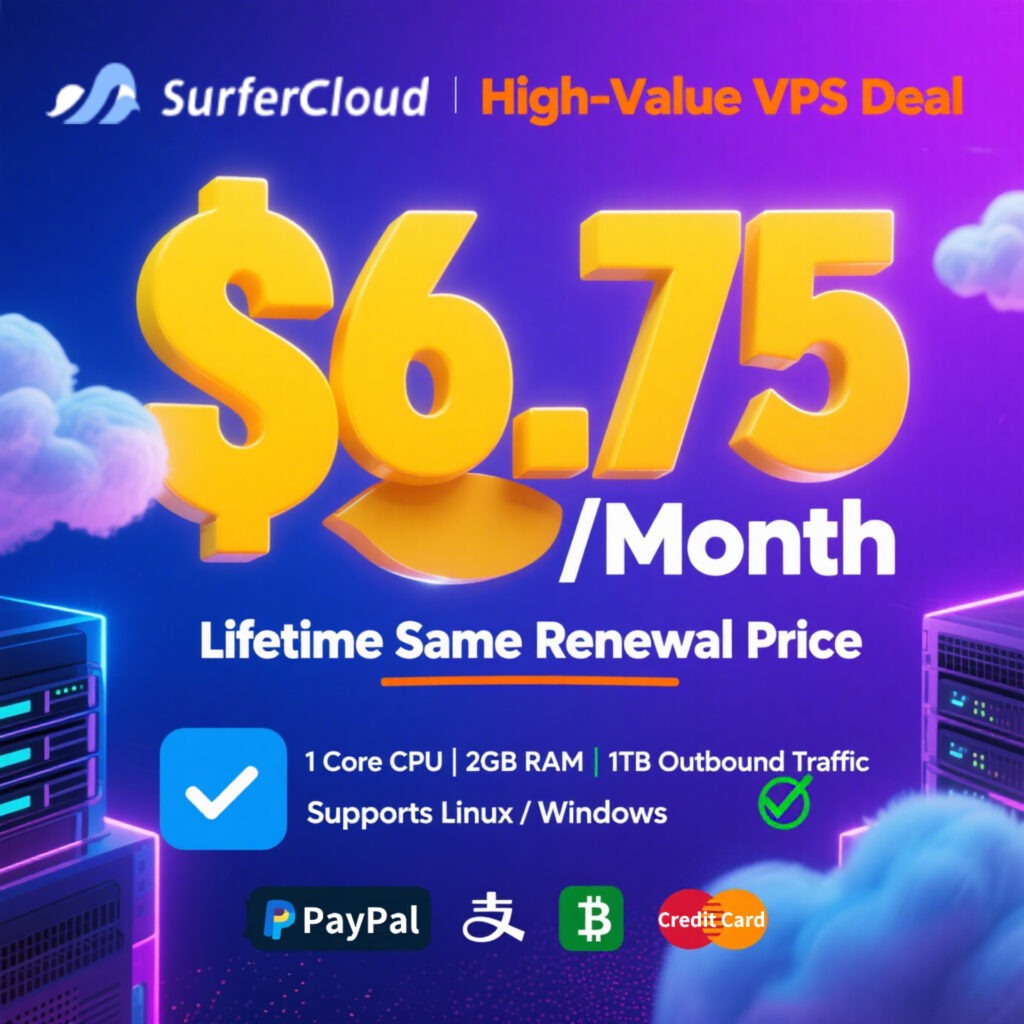
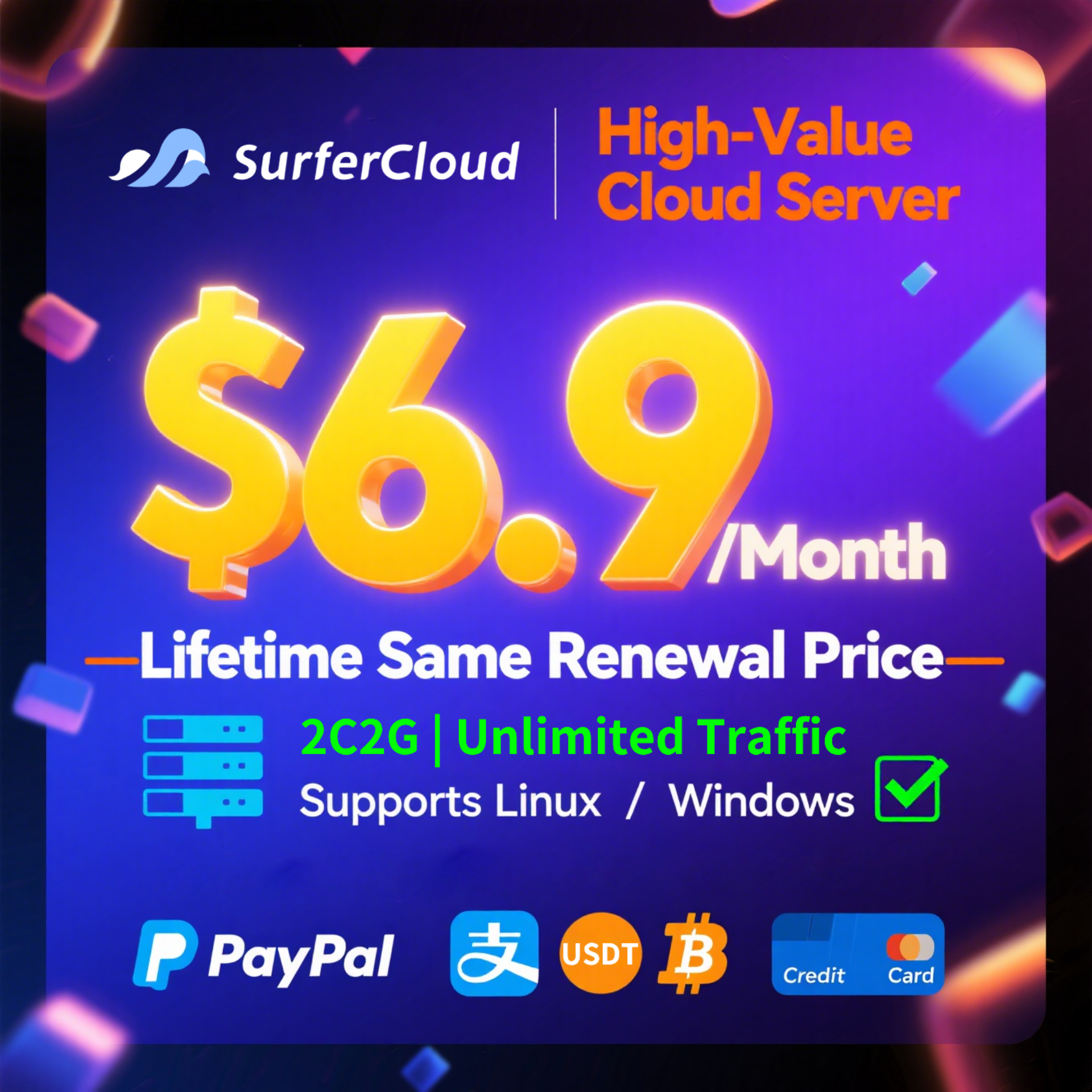
In today’s AI-cloud boom, there’s a growing gap: GPU-cloud hype versus real-world needs. SurferCloud occupies the space of flexible, affordable, globally accessible, easy-to-use VPS/cloud hosting — ideal for developers and businesses who don’t need GPU but care about reliability, compatibility, and budget.
Key strengths of SurferCloud in 2025 context:
For many use cases — web hosting, CMS, e-commerce, backend APIs, small SaaS, content platforms, blogs, remote-desktop/VPS tasks — SurferCloud delivers exactly what’s needed: simplicity, reliability, and cost-efficiency — without forcing you into the GPU arms race.
Here are common user profiles or project types that often benefit more from VPS/cloud server rather than GPU cloud:
There are situations where GPU-cloud is absolutely justified: heavy AI/ML training, large-model inference, high-performance computing, video rendering, scientific compute, and high-throughput workloads needing parallel GPU power.
But for the majority of everyday applications, especially those built with traditional web stacks or conventional business logic, VPS/cloud server remains the smarter, more efficient, and more cost-conscious choice.
SurferCloud offers that balance — giving developers the infrastructure to launch projects quickly, scale reasonably, and avoid paying for unused compute horsepower.
2025’s AI-GPU boom has accelerated cloud infrastructure spending globally. Megadata centers, GPU clusters, and specialized AI-cloud services continue to rise. For GPU-heavy workloads, these may be worth the hype and cost.
But for the bulk of web apps, SaaS projects, small businesses, content platforms, and ordinary backend services — overpaying for GPU is inefficient.
That’s where VPS/cloud servers — and providers like SurferCloud — shine. They deliver what most projects actually need: reliable hosting, stable performance, flexibility, and predictable cost.
If you’re launching a web project, building a backend, hosting a small-to-medium service, or just want simplicity and control — a good VPS today is often smarter than a trendy GPU cloud.
In the 2025 infrastructure race, don’t let hype steer your choice — let your actual needs decide.