A specification sheet describes what a machine was allocated, not how much of it you receive during your busiest hour. On shared infrastructure that quantity varies with tenants you will never know about.




SMS pumping turns a legitimate OTP flow into someone else's revenue without breaching anything. No credential is stolen, no alarm fires - the only symptom is a messaging bill growing faster than the business.
Deploying a 24/7 agent takes minutes; keeping one alive is a different discipline. Memory, context, and unsupervised drift accumulate slowly, report misleadingly, and none of them come from the model.
A snapshot rolls back a change you planned. A backup recovers from a failure you did not. If one credential can reach both your production system and your recovery copy, you have a speed bump, not a control.
Bandwidth planning fails when it is framed as a volume question. Every plan states a transfer allowance and hides a port speed - and the port is what limits how many users you can serve.
Sizing a server is a measurement problem, not a purchase decision. Five numbers to collect first - available memory, swap activity, random read latency, peak throughput, CPU steal time.
Global nodes within 100 km of major exchanges. Web3-ready. Built for speed.
Cloud Desktop vs Windows 365 and Azure Virtual Desktop: Architecture, Licensing, and Regional Trade-offs
For years, businesses moved workloads to the cloud primarily for scalability, operational efficiency, and access to on-demand infrastructure. In 2026, however, the requirements are becoming more complex.
A VPC provides a private, logically isolated network environment for your cloud resources. Instead of putting every server into the same network, you can use a VPC to organize servers into private networks, divide the network into subnets, and control
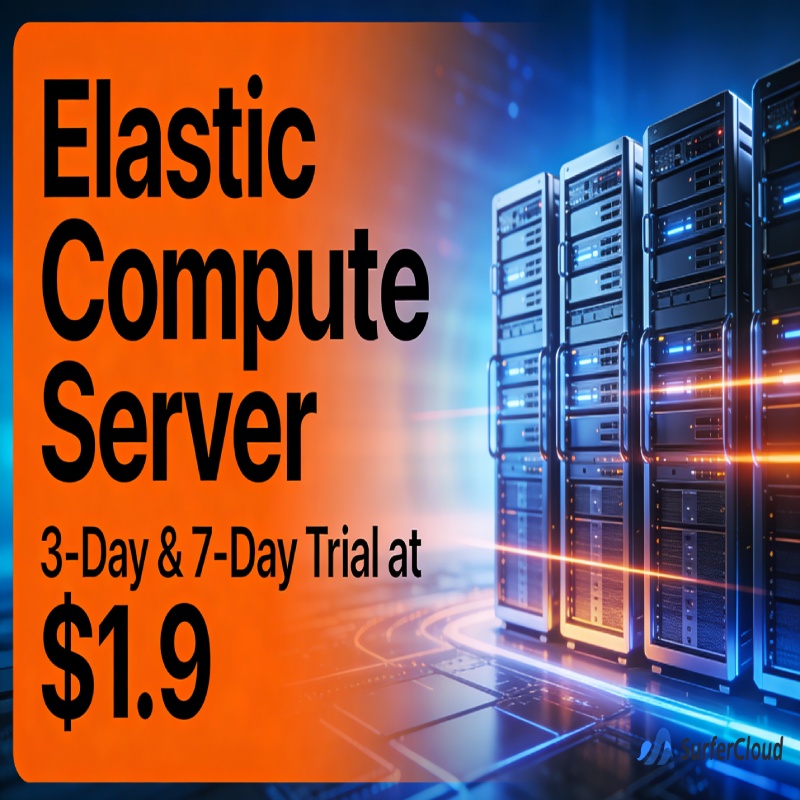
3-Day & 7-Day Trial at $1.9
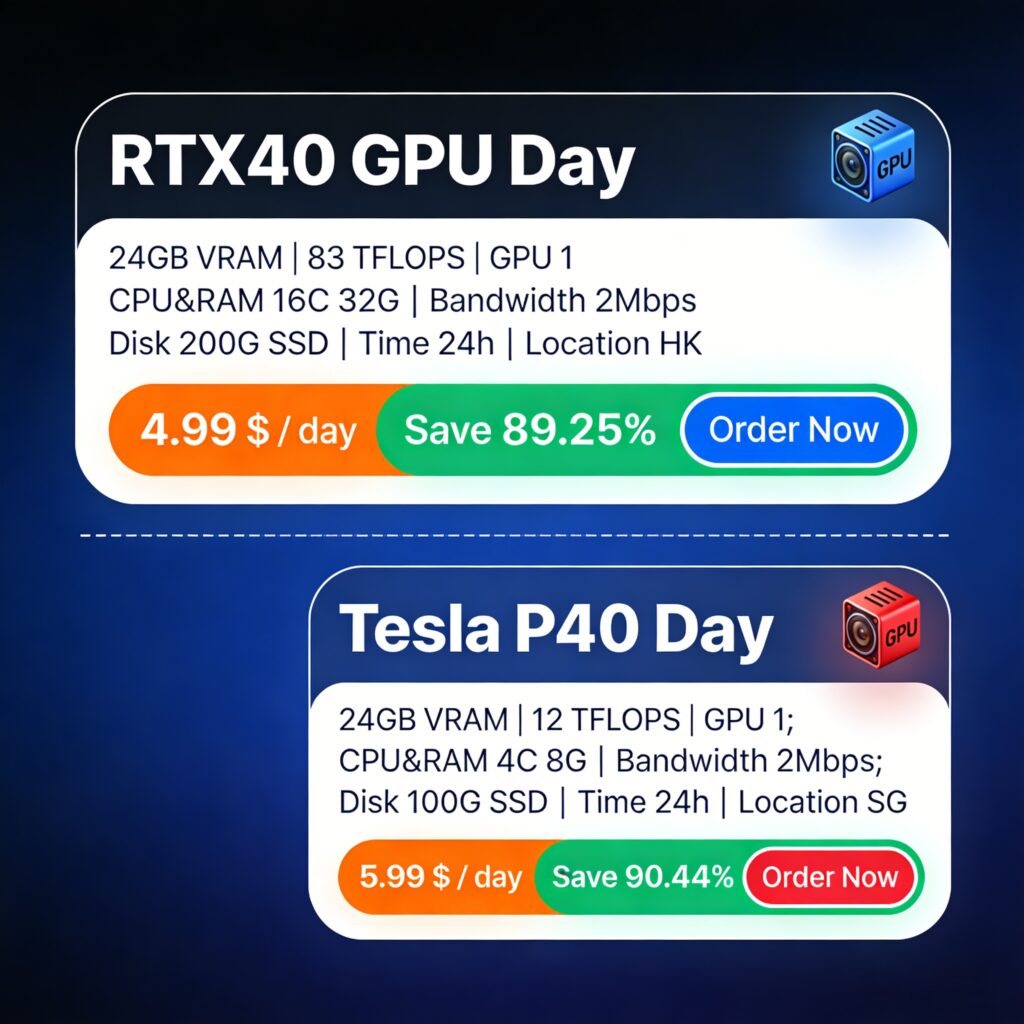
GPU Special Offers
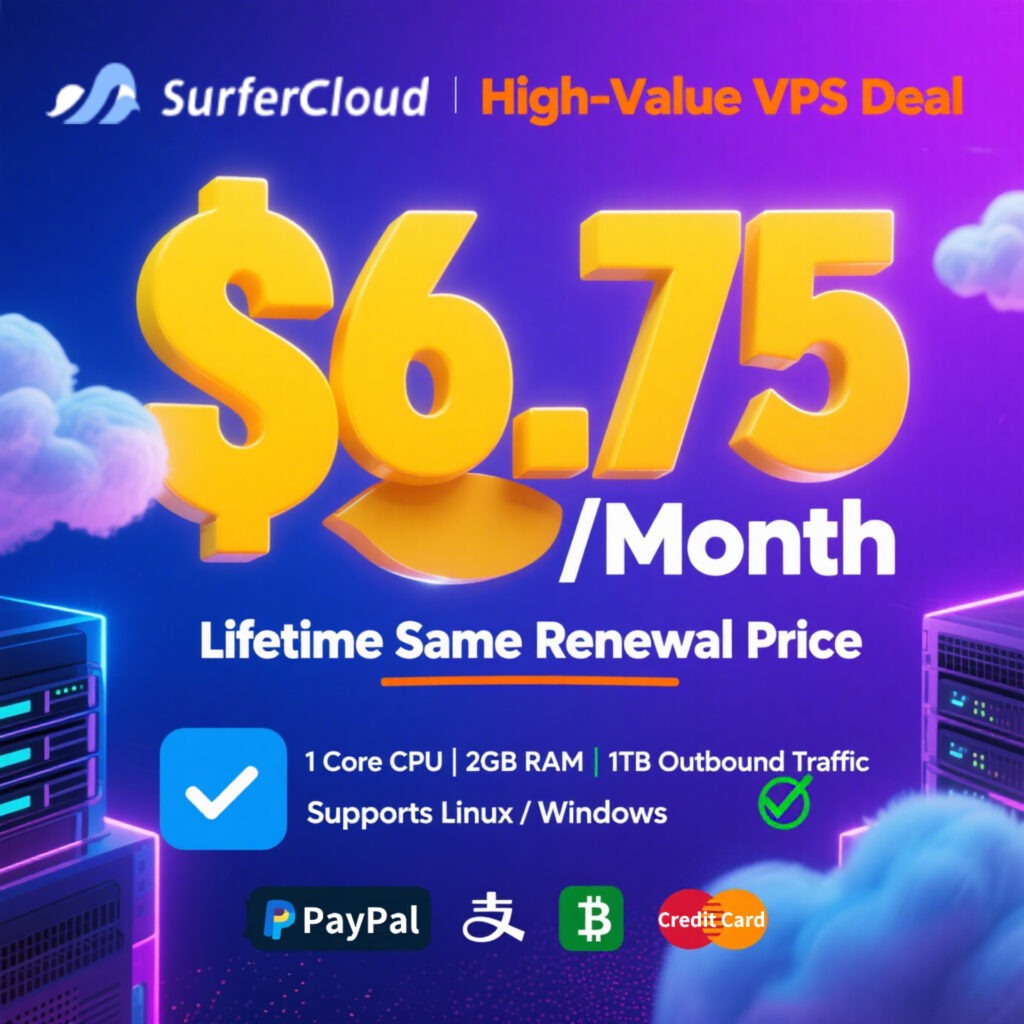
Light Server promotion:
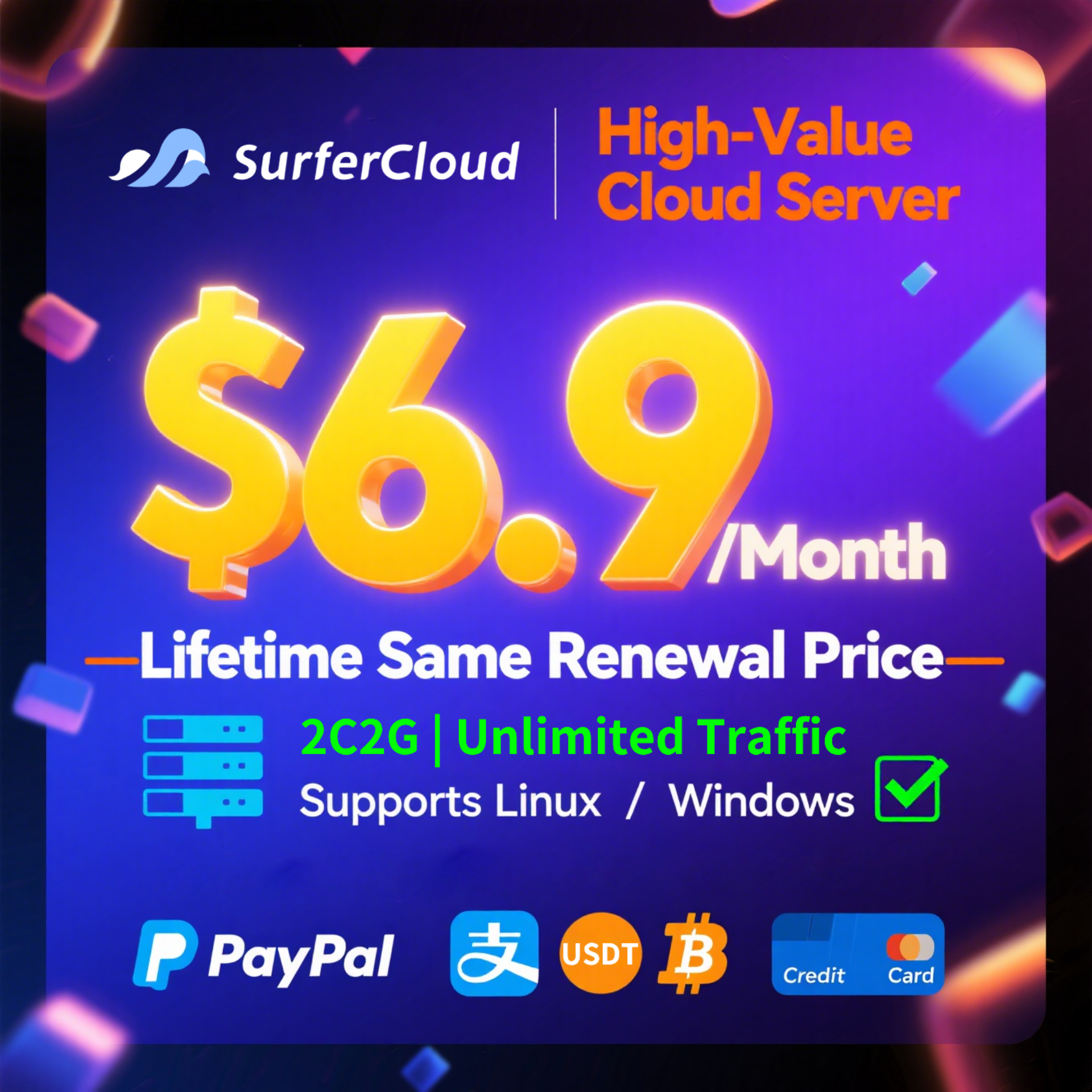
Cloud Server promotion:
Affordable CDN
2025 Special Offers