Plan and run a multi-region disaster recovery system with tiered RTO/RPO targets, replication options, automated failover, compliance controls, and regular tests.






Checklist for designing, monitoring, and auditing multi-region SLA compliance, covering RTO/RPO, redundancy strategies, network performance, and governance.
There is a specific kind of frustration that only a DevOps engineer at 3:00 AM can understand. Your production environment is down, your automated monitoring is screaming, and you are staring at a "Basic Support" dashboard on AWS that tells
For years, cloud migration was viewed as a binary choice: you were either "all-in" on a hyperscaler like AWS, or you were struggling with on-premise legacy systems. But as we enter 2026, the most sophisticated engineering teams have adopted a
There is a common misconception that the larger the cloud provider, the faster the hardware. CTOs often assume that Amazon’s multi-billion dollar R&D budget results in virtual machines that are inherently superior to those of specialized providers. In early 2026,
In the early days of the internet, anonymity was a feature. Today, it is a luxury. As we move into 2026, the major hyperscale cloud providers—AWS, Azure, and Google Cloud—have become extensions of the traditional banking system. To launch a
For any modern engineering team, the CI/CD pipeline is the heartbeat of production. However, as teams adopt microservices, the number of builds, tests, and deployments explodes. If you are using AWS CodeBuild or GitHub Actions, you have likely seen your
The Silent Killer: How Managed Services Lock You into High AWS Costs
For the last decade, the narrative in enterprise IT has been dominated by the "Hyperscalers"—AWS, Azure, and GCP. The marketing machine suggests that if you aren't building on their 200+ proprietary services, you aren't "cloud-native." But in 2026, a counter-trend
If you look at your AWS bill, you might see a category called "Data Transfer Out." To the uninitiated, it looks like a minor line item. To a growing SaaS company, it is a predatory trap. In the industry, we
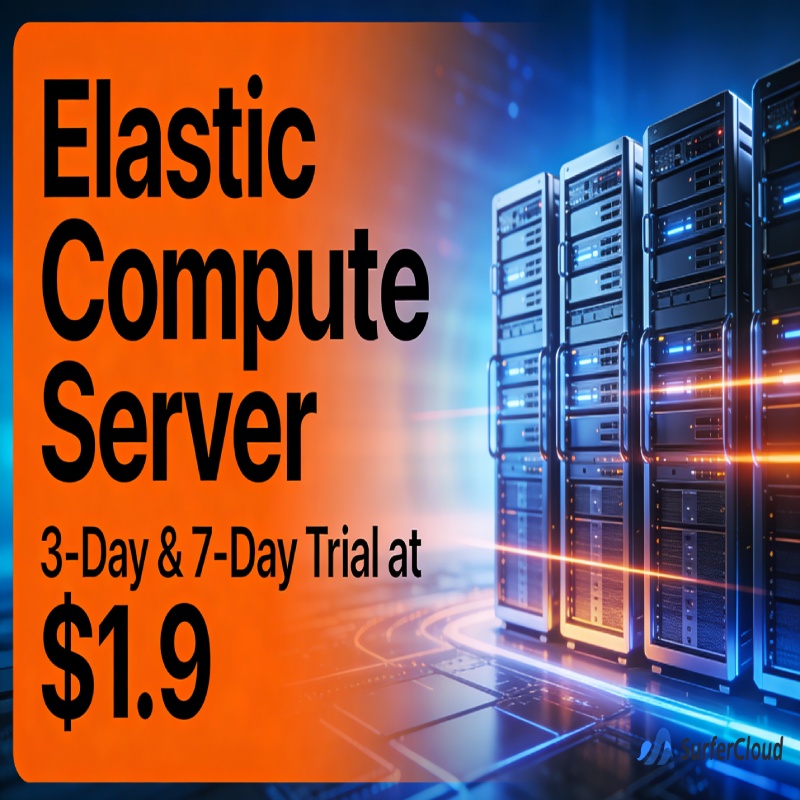
3-Day & 7-Day Trial at $1.9
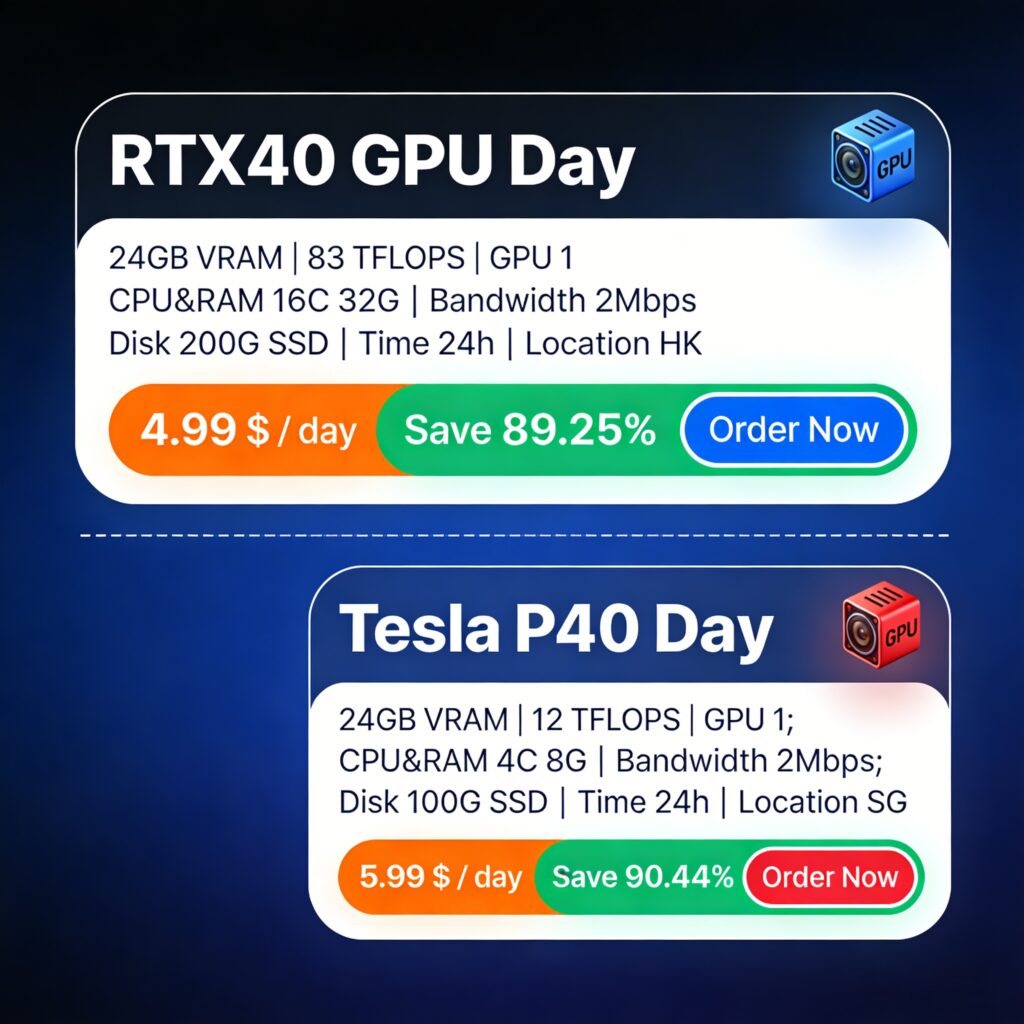
GPU Special Offers
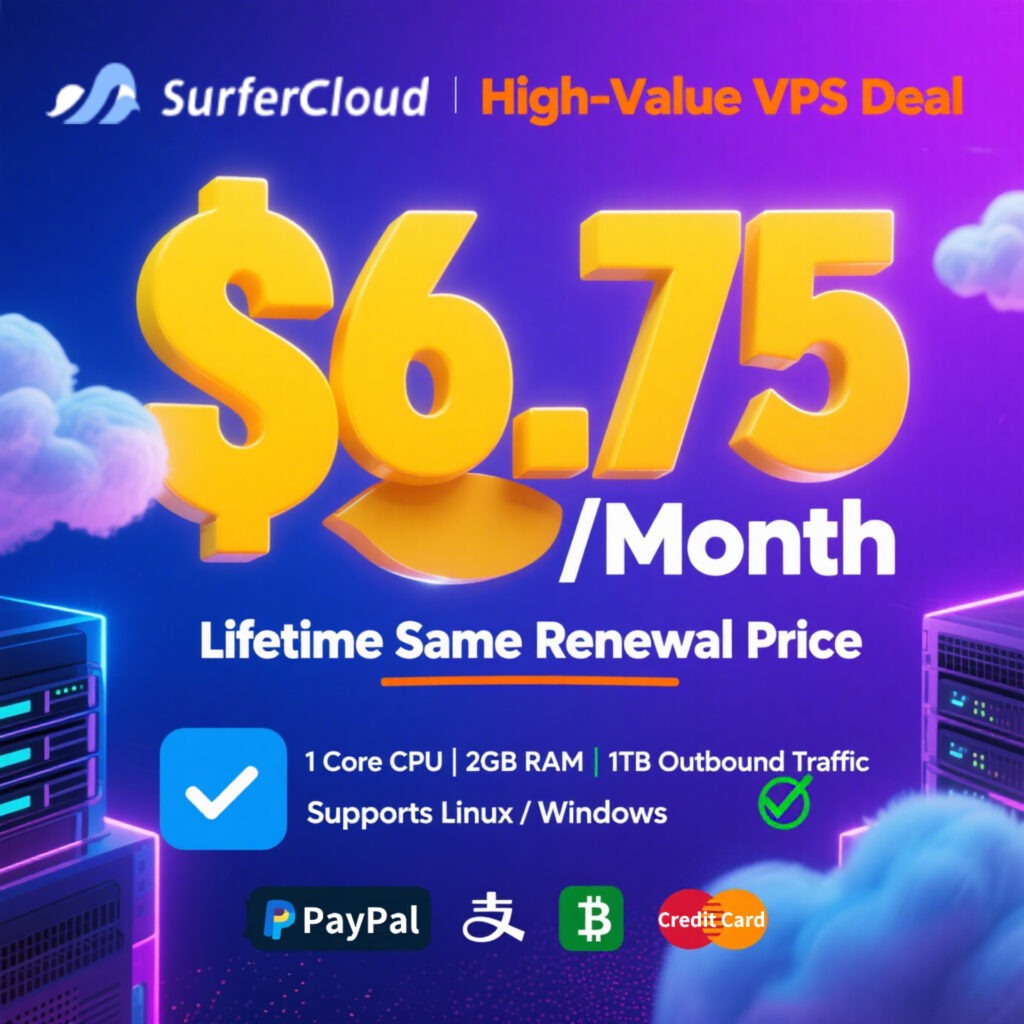
Light Server promotion:
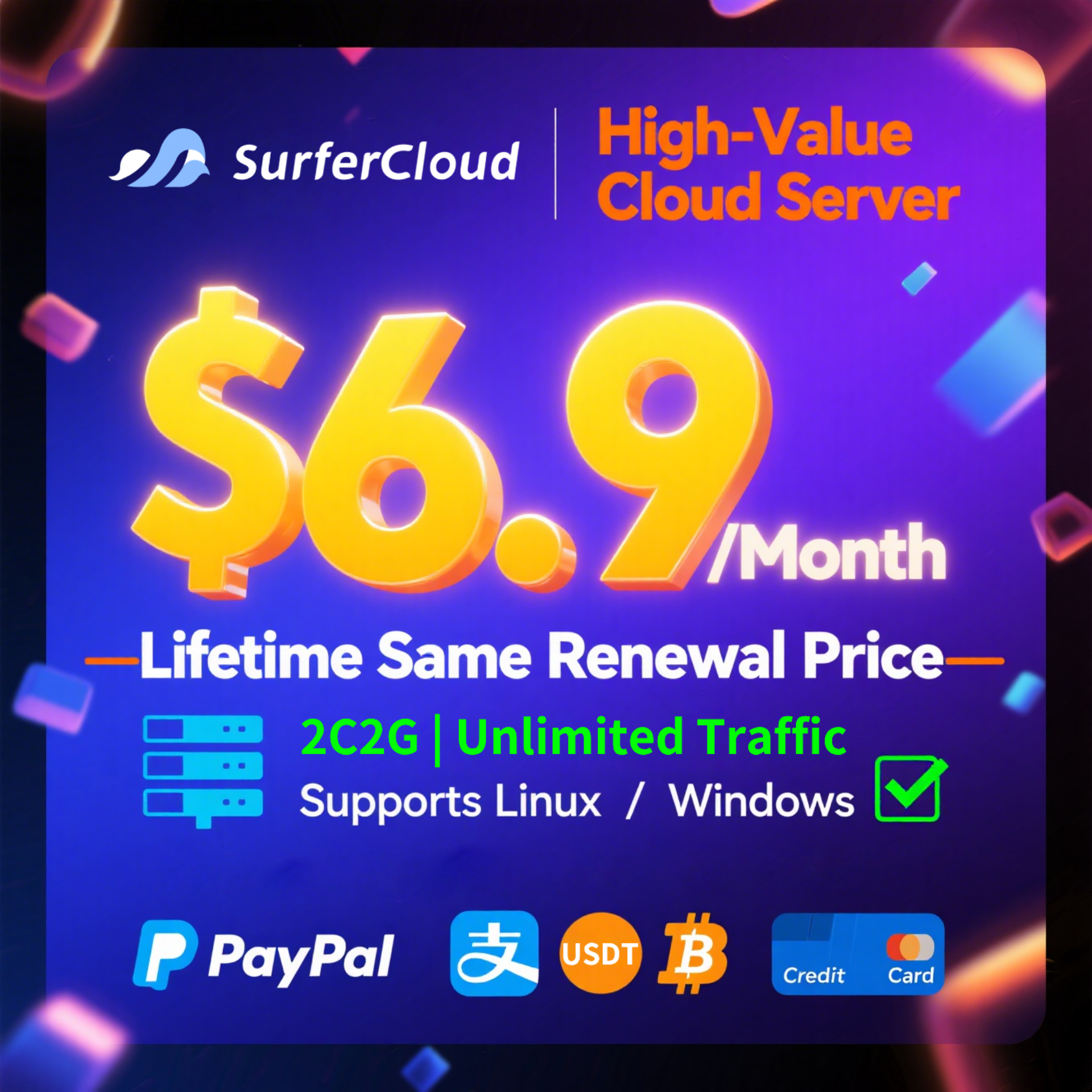
Cloud Server promotion:
Affordable CDN
2025 Special Offers