Load average measures how many tasks are waiting; it does not measure how long they wait. Every alarm built on the three numbers in /proc/loadavg is therefore a queue-depth alarm pretending to be a latency alarm, and the gap between




Your agent's memory metric is answering a question you did not ask. You wired up a log line for heap used, you watched it stay flat for six weeks, and the host still ran out of memory. The line was
A Latency Budget, Not a Latency Number A multiplayer game server does not have a latency problem. It has a latency budget, and the largest line items in that budget are spent before a packet ever reaches the network interface.
A prepayment discount is not a discount. It is an interest rate, and almost nobody prices it as one. When a host offers "two months free on an annual plan," the invoice language suggests a price cut. What has actually
Inbound filtering is the most instrumented control in the stack and the one a breach proves irrelevant. Why outbound detection goes to zero once agents and C2 share a shape, two metrics worth building, and a ninety-minute baseline exercise.
A full conntrack table stops a server with bandwidth to spare. Why state exhaustion hides from every dashboard, the one counter that proves it, four lookalike failures, and a sizing worksheet.
A timed-out tool call ends your wait, not the remote work. Why an unbounded await freezes an entire agent loop, how retries multiply orphaned work, and the one signal — the ceiling rate — that makes hangs visible.
Your region choice sets a hard latency floor you can compute in a minute: about 5 microseconds per kilometre one way through fibre. How to calculate it, measure the gap between real latency and the floor, and tell a physics
Why the cost of leaving a cloud provider is set on the day you sign: the four line items in an exit, the break-even month behind every commitment discount, and the January 2027 date that removes one of them.
A server with password authentication enabled is not "unhardened yet" — it is a live, addressable target from the second its IP is routable, and the interval between creation and hardening is the only security control you have not applied.
3-Day & 7-Day Trial at $1.9

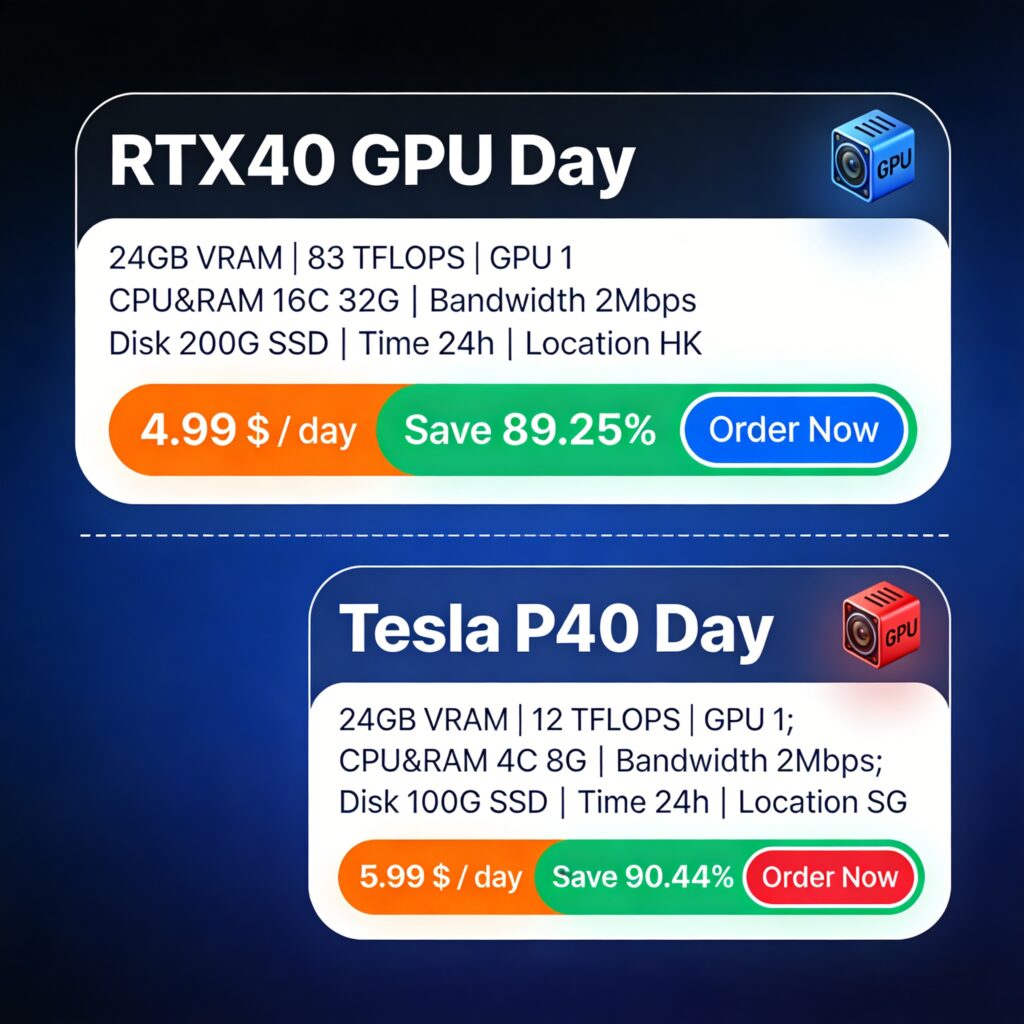
GPU Special Offers
Light Server promotion:

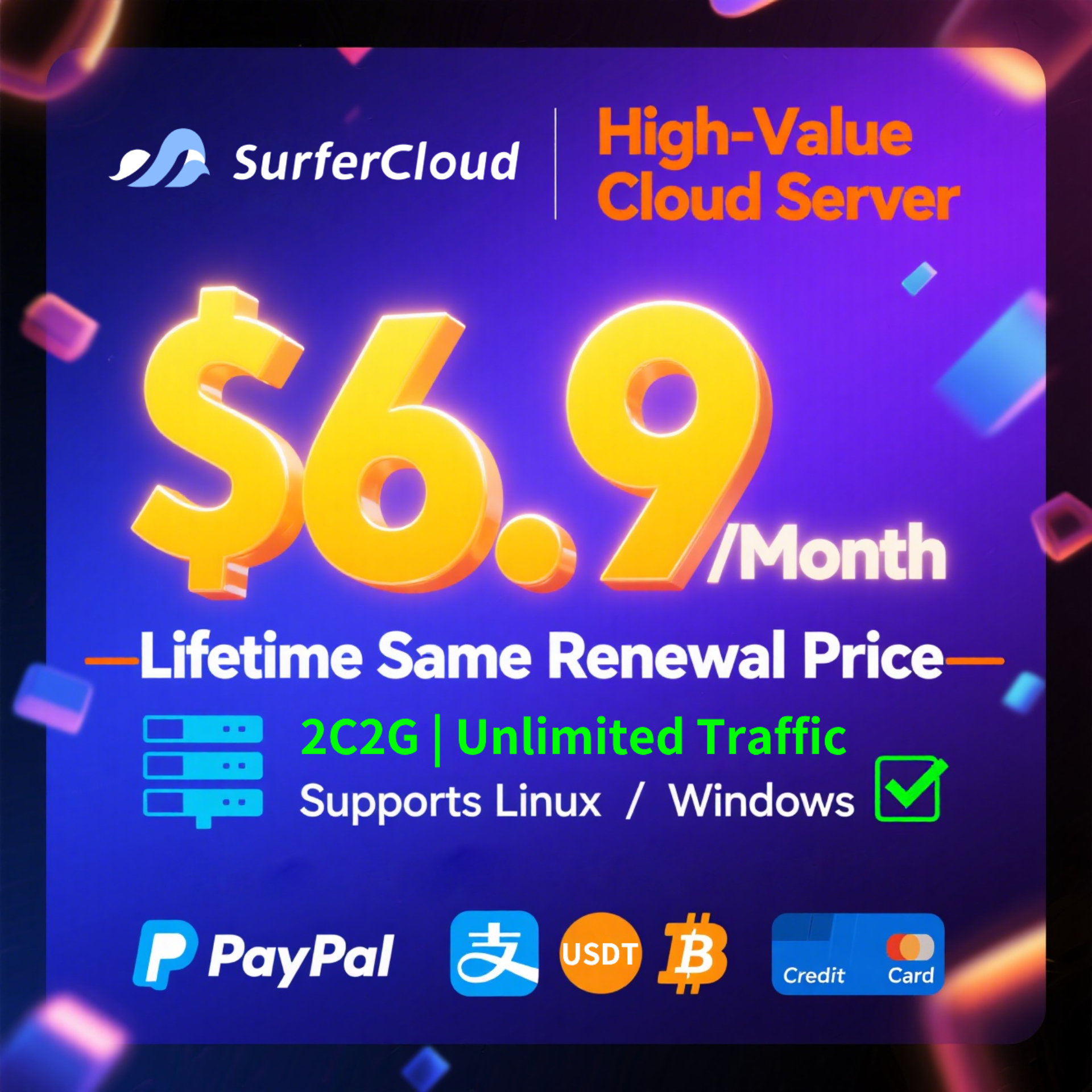
Cloud Server promotion:
Affordable CDN

2025 Special Offers