Load average measures how many tasks are waiting; it does not measure how long they wait. Every alarm built on the three numbers in /proc/loadavg is therefore a queue-depth alarm pretending to be a latency alarm, and the gap between




"Connection timed out" is not one error — it is the single symptom of at least seven different failure states, and the timeout's own arithmetic tells you which one you have: on Linux, a TCP connect that receives no reply
Your agent's memory metric is answering a question you did not ask. You wired up a log line for heap used, you watched it stay flat for six weeks, and the host still ran out of memory. The line was
The RTX 5090 is not a faster 4090, and treating it as one is how teams buy the wrong GPU server: 32 GB of GDDR7, 1,792 GB/s of memory bandwidth, and fifth-generation tensor cores change which workloads are even possible,
A Latency Budget, Not a Latency Number A multiplayer game server does not have a latency problem. It has a latency budget, and the largest line items in that budget are spent before a packet ever reaches the network interface.
A GPU hourly rate is not a price — it is one input to a price, and treating the advertised dollars-per-hour as the decision variable is the most expensive habit in GPU procurement. Teams that sort a comparison table by
Self-hosting a large language model is not a model-selection decision — it is a VRAM budget, and every team that gets this wrong gets it wrong in the same direction: they pick the model first, discover the weights do not
A prepayment discount is not a discount. It is an interest rate, and almost nobody prices it as one. When a host offers "two months free on an annual plan," the invoice language suggests a price cut. What has actually
The difference between an elastic IP and a dynamic IP is not permanence — it is ownership of the failure. A dynamic public IP belongs to an instance and dies with it; an elastic IP belongs to your account and
Inbound filtering is the most instrumented control in the stack and the one a breach proves irrelevant. Why outbound detection goes to zero once agents and C2 share a shape, two metrics worth building, and a ninety-minute baseline exercise.
3-Day & 7-Day Trial at $1.9

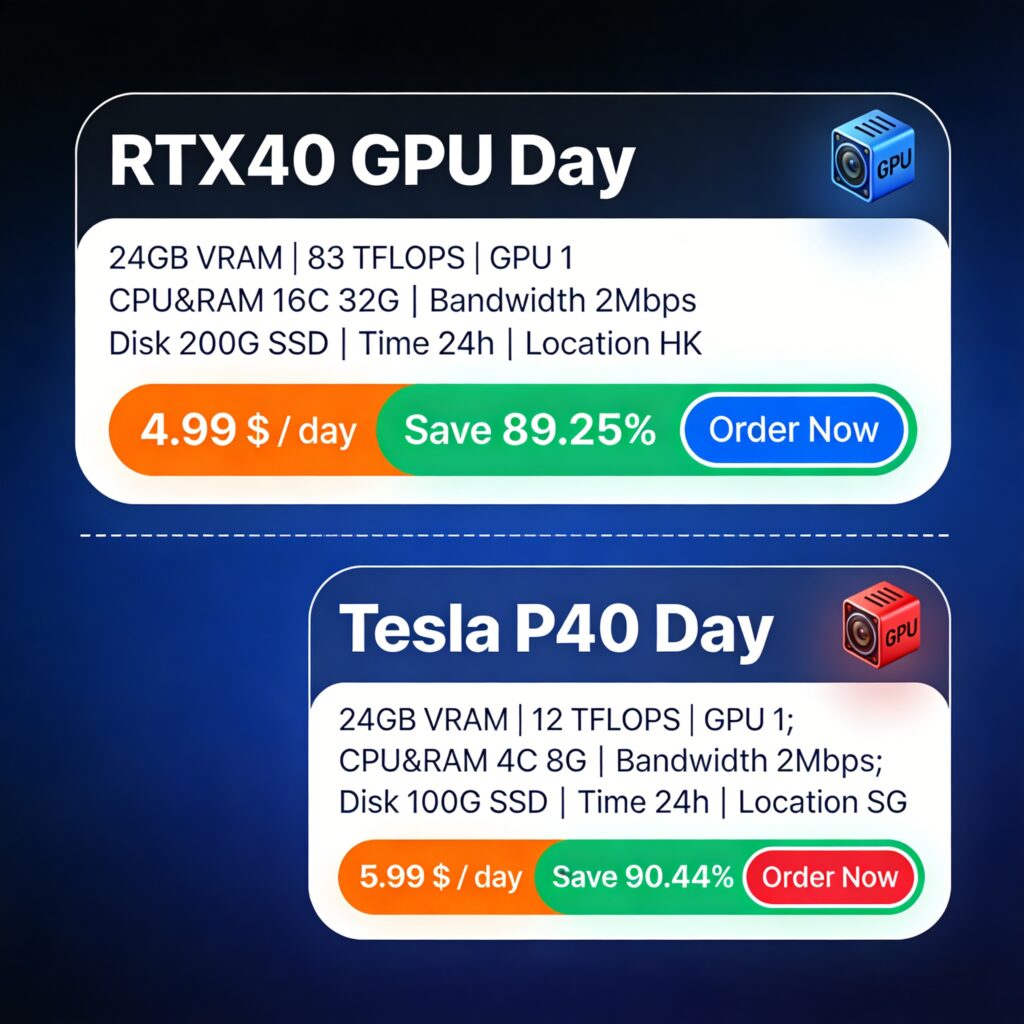
GPU Special Offers
Light Server promotion:

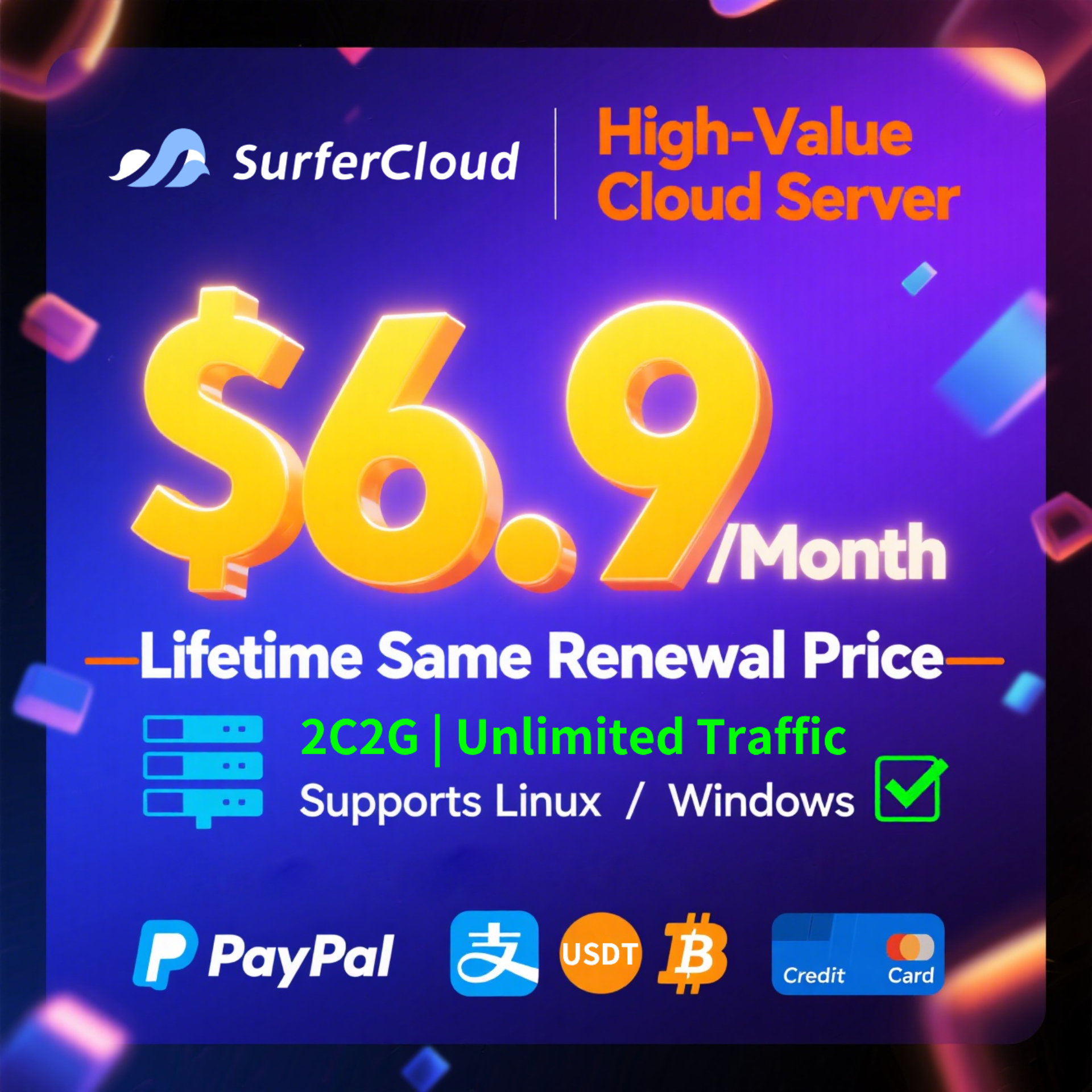
Cloud Server promotion:
Affordable CDN

2025 Special Offers